Labs for Liberation reimagines the humanities lab as a space for collaboration, theory-building, and world-building. We extend the legacy of disability design cooperatives, wheelchair repair studios, DIY home design collaborations, Black queer houses, feminist science labs, artist salons, the kitchen table, and online activist spaces. Through Labs for Liberation, we plant seeds for local organizing that takes root with equity and justice at the heart of whatever blossoms.
Labs for Liberation is a collaborative effort between Northwestern University and Vanderbilt University.
Northwestern Team
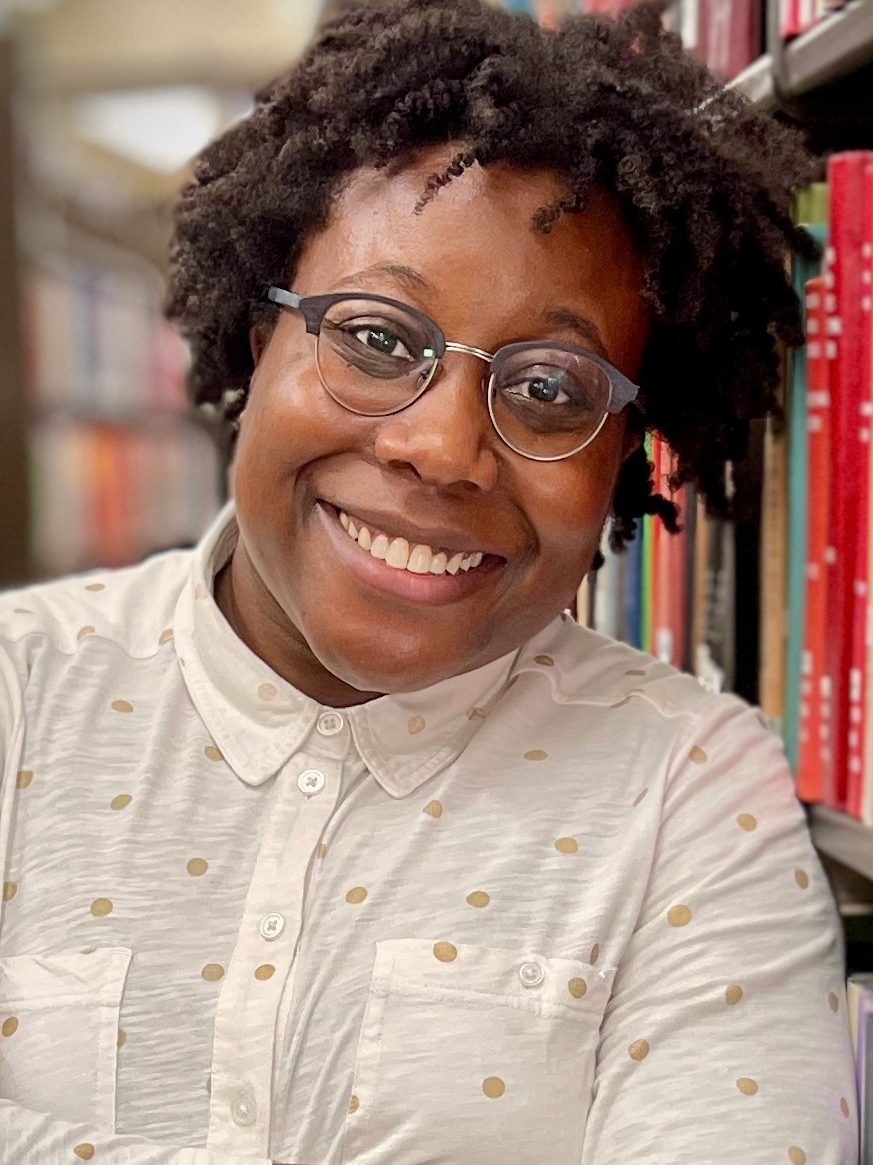
Moya Bailey
Moya Bailey is an Associate Professor at Northwestern University and is the founder of the Digital Apothecary and co-founder of the Black Feminist Health Science Studies Collective. Her work focuses on marginalized groups’ use of digital media to promote social justice, and she is interested in how race, gender, and sexuality are represented in media and medicine. She is the digital alchemist for the Octavia E. Butler Legacy Network and the Board President of Allied Media Projects, a Detroit-based movement media organization that supports an ever-growing network of activists and organizers. She is a co-author of #HashtagActivism: Networks of Race and Gender Justice (MIT Press, 2020) and is the author of Misogynoir Transformed: Black Women’s Digital Resistance (New York University Press, 2021).
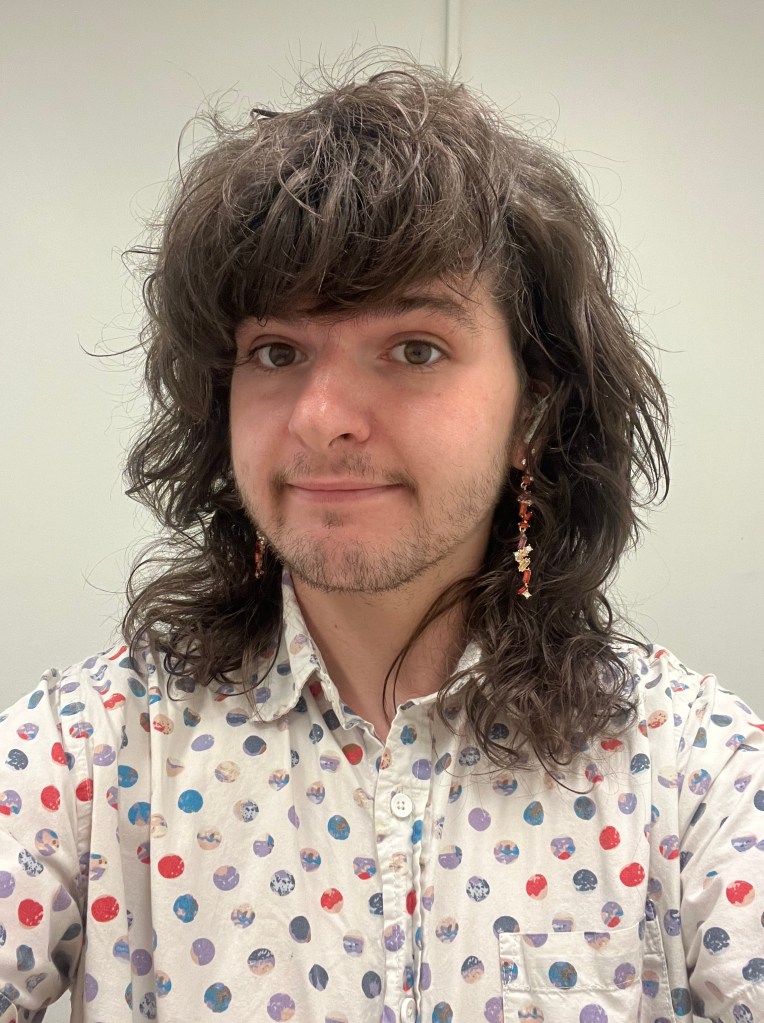
Walker Brewer
Walker Brewer (they/them) is a second year in the Media, Technology and Society program working with Dr. TJ Billard. Their research interests broadly center on questions of power, identity, and communication systems within digital publics. They approach complex social issues with interdisciplinary research, examining the tensions that arise between more critical and applied approaches to activism and social justice. They hold a BA in Gender and Sexuality Studies and Art History from the University of Chicago, and an MA in Women, Gender, and Sexuality Studies from George Washington University.
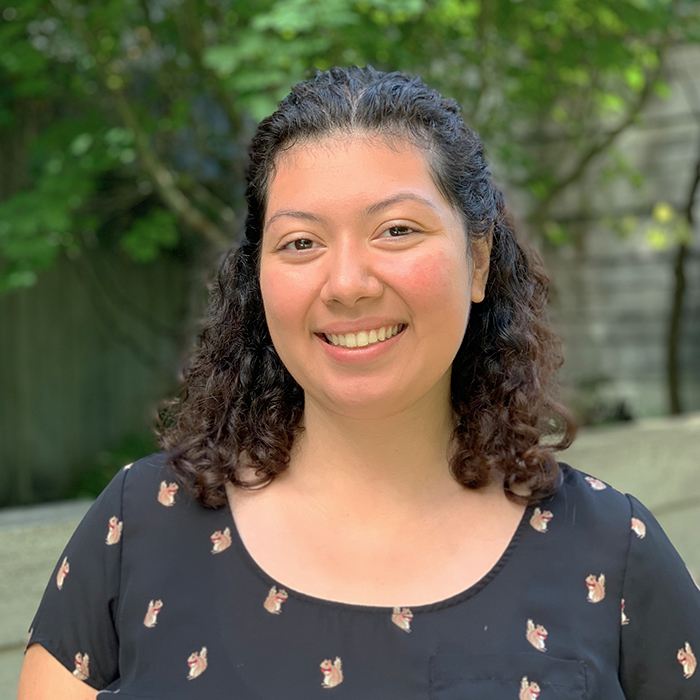
Victoria C. Chávez
Victoria (V/they/she) is a Chicago-born and raised Chapine (Guatemalan) educator, scholar, and engineer. Currently, they’re a Joint PhD student in the Computer Science + Learning Sciences Program at Northwestern University. V’s research interests explore systemic issues within computer science education, centering the experiences of Black, Disabled, Indigenous, and Latine/x students. Most recently, their research has focused on teaching and learning accessibility as well as unpacking how ableism is codified in the policies, practices, and pedagogies used in college CS courses.
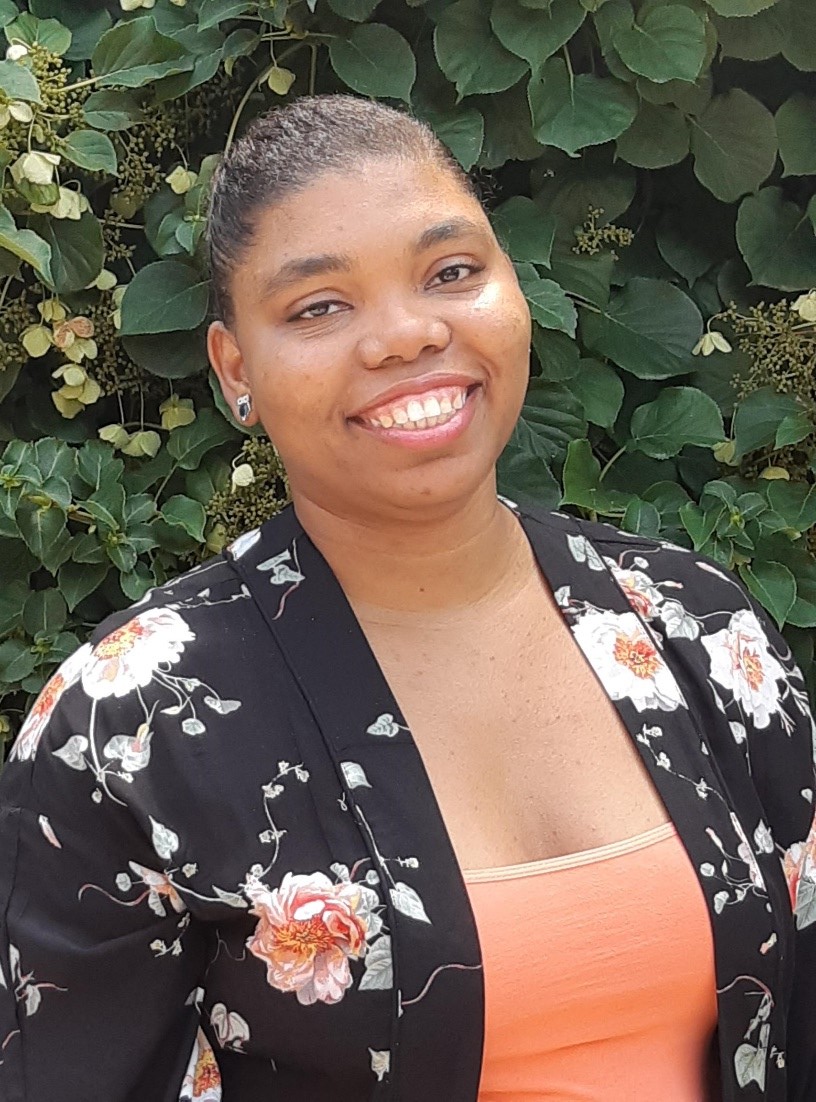
Angela Stanley
Angela Stanley (she/ her) is a researcher and speaker whose doctoral work pays attention to the intersection of race/culture, queerness and disability in order to understand how people make sense of their intimate and sexual lives. She has presented original work on these themes at conferences within North America and her work has been published in Canadian peer reviewed journals. She is also a reviewer for the Review of Disability Studies: An International Journal. Accessibility is at the core of her work and she sits on the board for the Ontario Digital Literacy and Access Network (ODLAN). Angela has created Introduction to Accessibility workshops and teaching materials, and has also shared her expertise on access/ accessibility needs with planning committees and research units at the university, corporate and non-profit levels. She is Guyanese born and an avid fan of Star Trek.
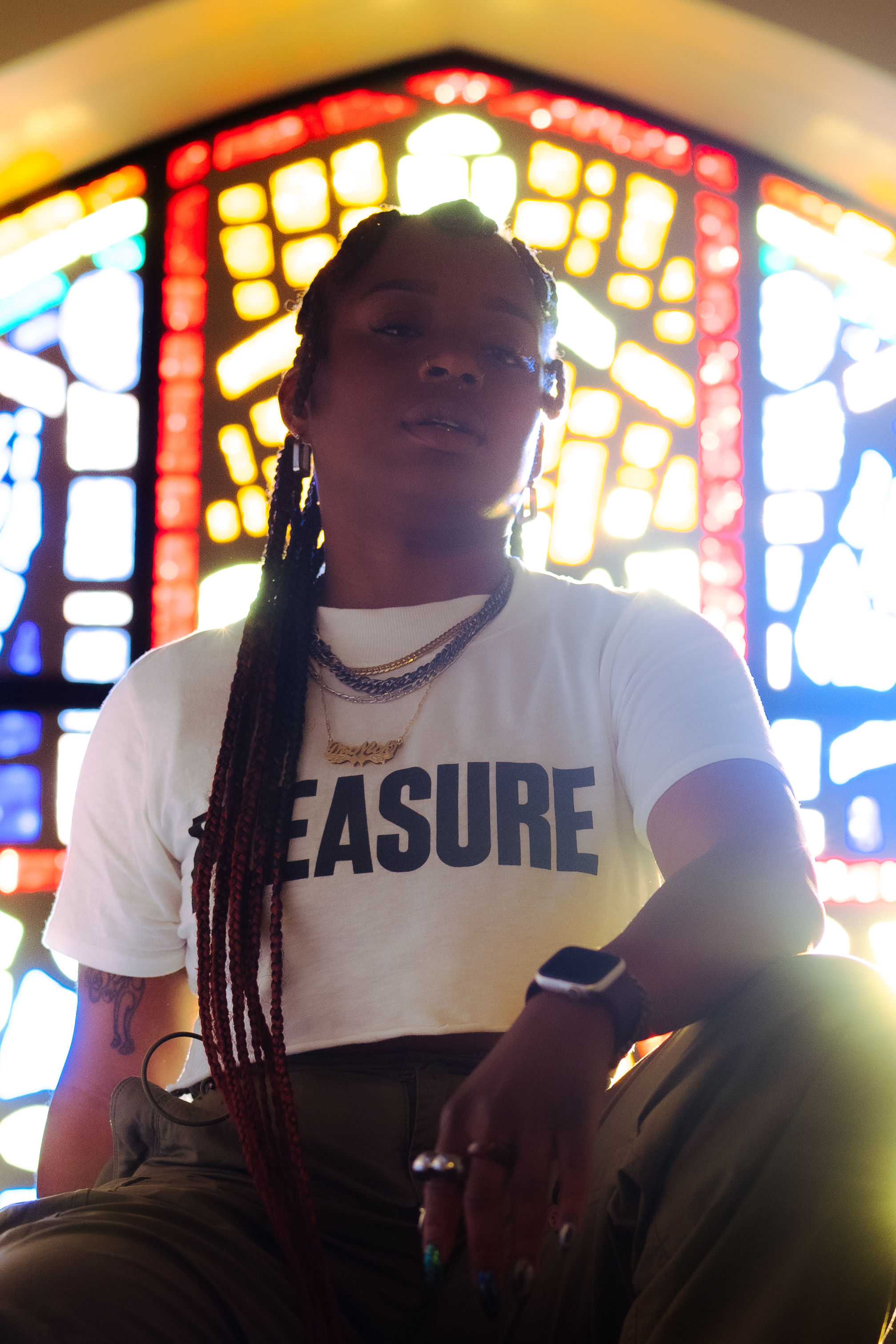
dr. nick alder, ph.d.
dr. nick alder, ph.d., (they/themme/theirs) is a creative co-conspirator, healing + liberation spacemaker + community designer, making healing and liberation irresistible (word 2 toni cade bambara). their work nurtures the creative spirit, crafts ecosystems of care, worldbuilding + possibility. they are guided by the words of Audre Lorde, “without community, there is no liberation.”
dr. nick works as a pre-licensed psychologist and founder of radical healing lab, an incubator + digital community for Black queer creativity + healing arts.
as a community organizer and cultural worker, nick creates spaces that privilege the Black genderqueer spectrum. through these spaces, nick co-dreams experience design, digital storytelling creation, and community building with the award-winning collective and cultural hub Party Noire.
embracing a research-based art practice, nick is on an ancestral assignment to foster diasporic belonging + ecosystems of care. currently, their exploration centers on devotion, creative practice, technology, and Black feminist healingways.
their current creative side quests include learning to code at Seeda School, dj’ing + digital art making.
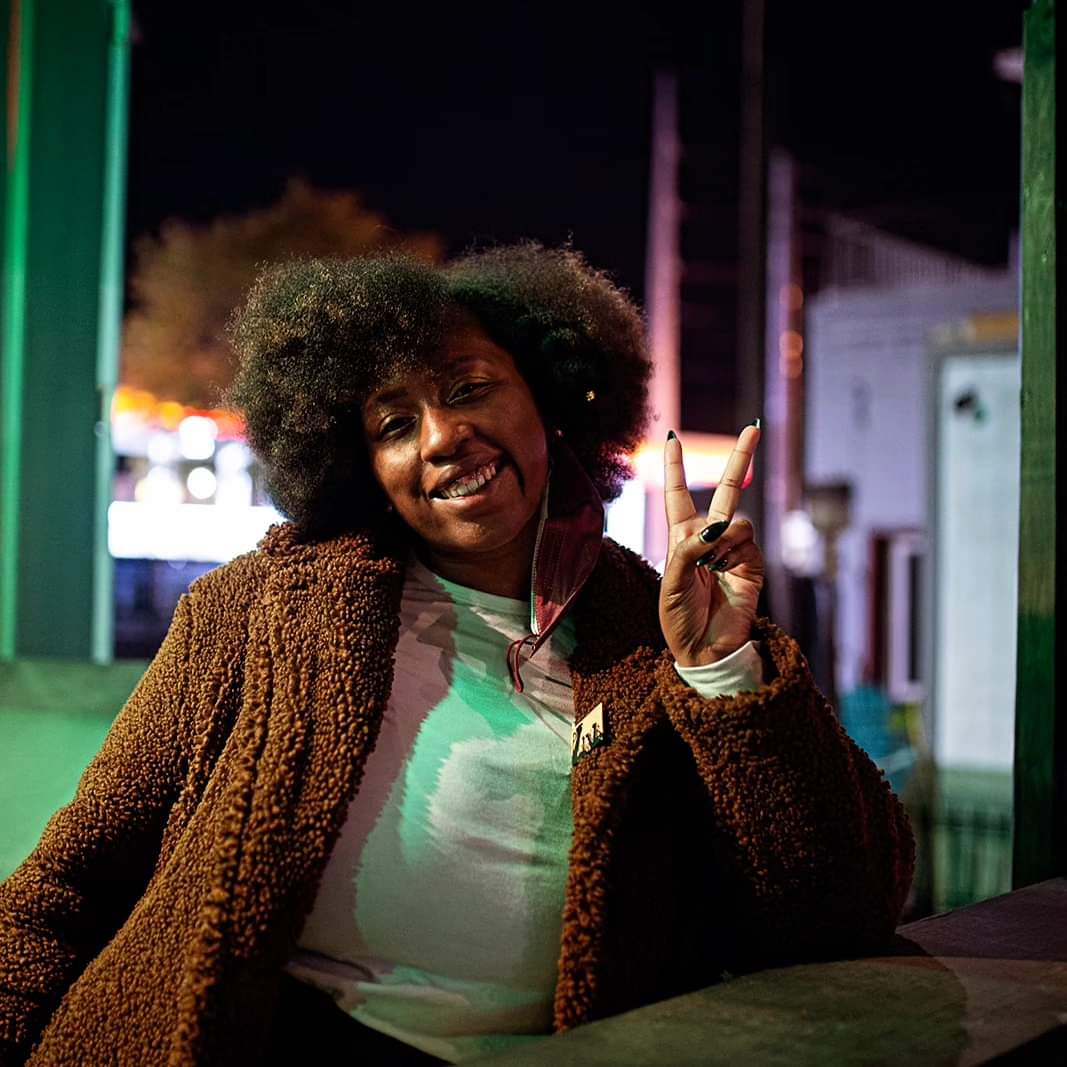
Chelle Sands
Chelle Sands (she/they) is a Black, queer feminist navigating the software and networking industry from a technoanimist lens, an abolitionist cultural worker Intent on building new worlds, an herbalist sharing the magic of plants across diasporas and a kitchen witch bringing joy and nourishment to my community. I believe In creating and maintaining physical and digital spaces with accessibility at the forefront. Through digital creation and world building through the apocalypse, I hope to expand our understanding of liberation to be cross- dimensional!
For my herbal work, check out IG: @theherbalsociety_
For my political and cultural organizing, follow my political home: IG: @endstateatl
To stay up to date with my digital curations, follow my IG: @dig1talvillage
Vanderbilt Team
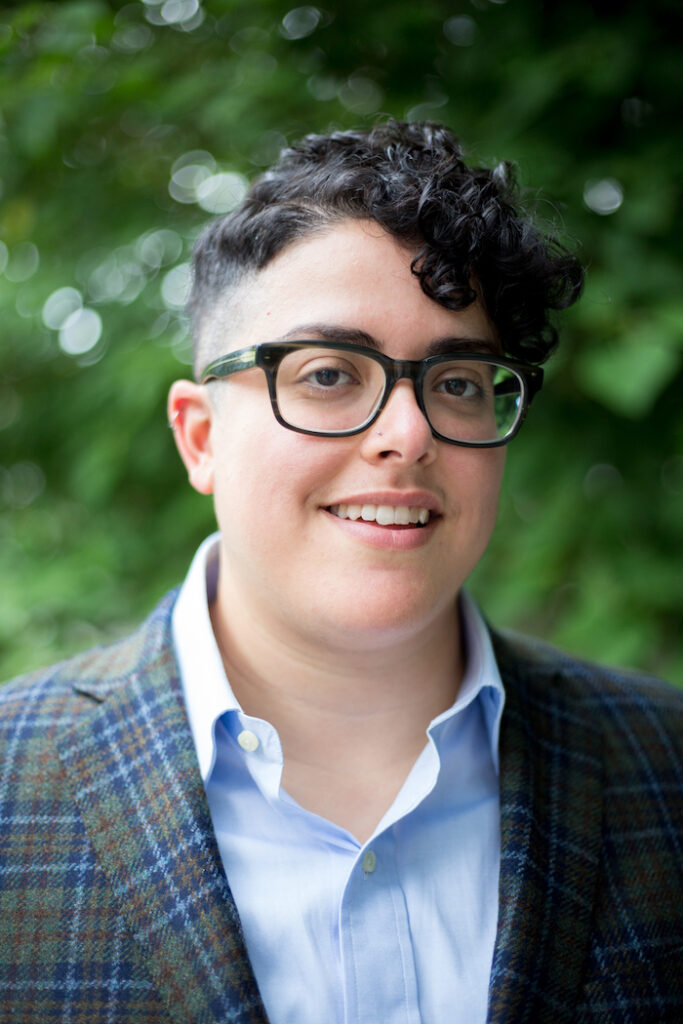
Aimi Hamraie
Aimi Hamraie (they/them) is Associate Professor of Medicine, Health, & Society and American Studies at Vanderbilt University, and director of the Critical Design Lab. They are author of Building Access: Universal Design and the Politics of Disability (University of Minnesota Press, 2017) and host of the Contra* podcast on disability and design. Hamraie’s research is funded by the Social Science Research Council, the National Science Foundation, the Smithsonian Institution, the Mellon Foundation, the Graham Foundation for Advanced Studies in the Arts, and the National Humanities Alliance, and others.
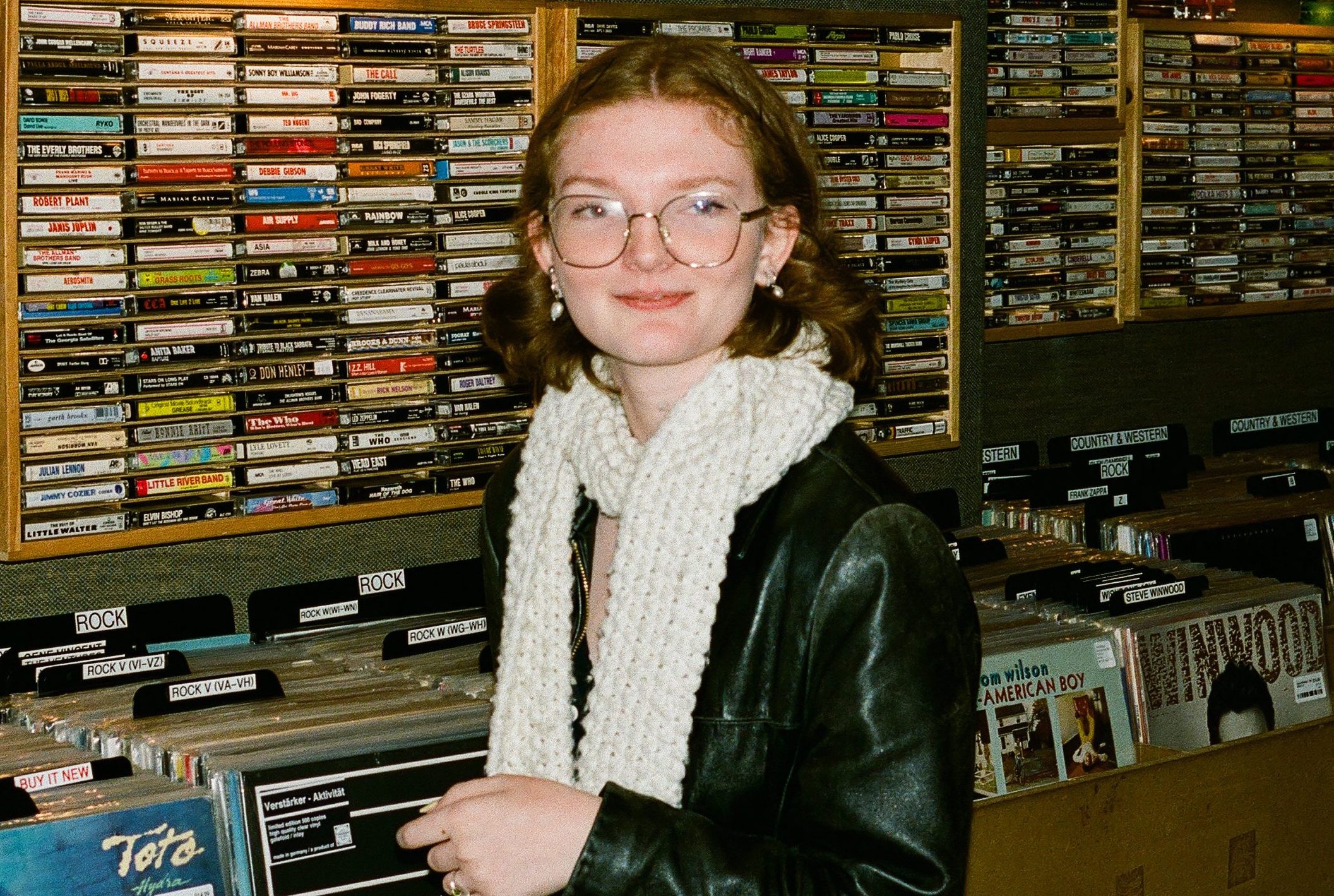
Katie B. Sullivan
Katie B. Sullivan is a disabled & mad PhD student in Science & Technology Studies at Rensselaer, writing/thinking/living with the vibrant and frictional offerings of disability culture and crip & feminist technosciences. Sullivan graduated from Vanderbilt University in 2025 with a BA in Medicine, Health & Society and English. She’s a member of the Critical Design Lab and an editor at Ought: The Journal of Autistic Culture. Her interests include chronic illness epistemologies, connective tissue variance, patient activism, and autistic internet cultures.
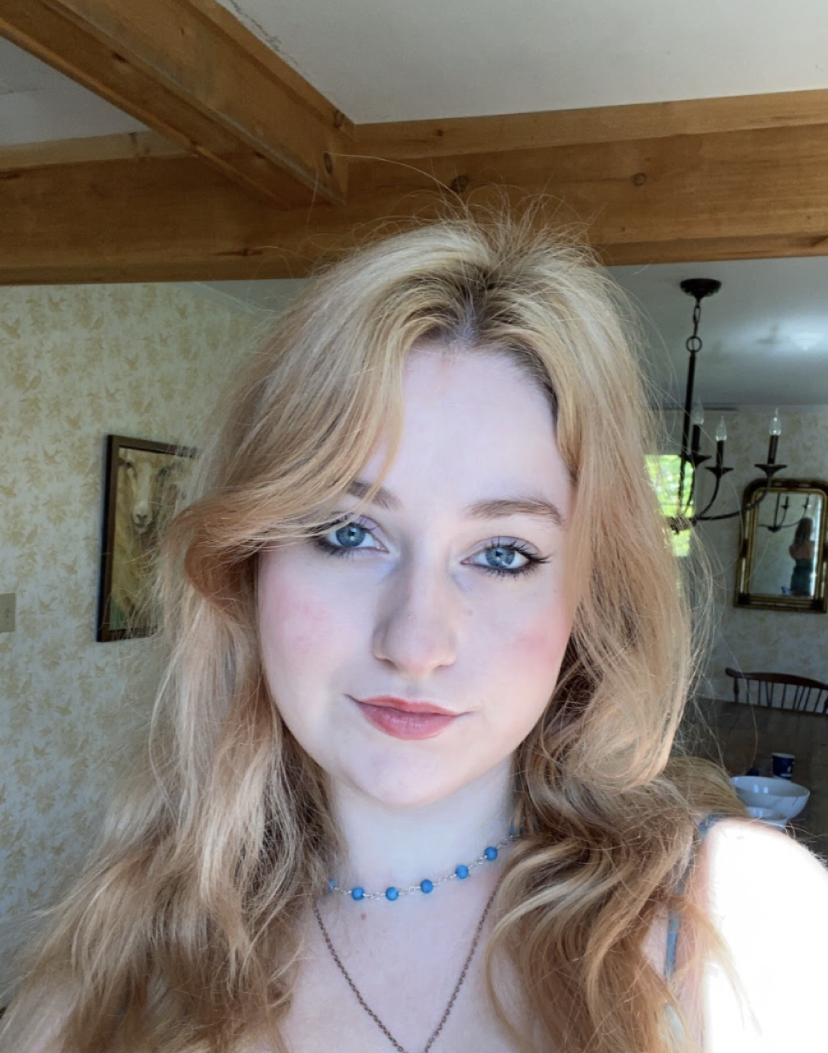
Margot Bell
Margot Bell (she/her) is a very queer and very anxious undergraduate student. Her research centers on developing more culturally competent special education strategies for students of color with IDDs, who are impacted by disability in unique and complex ways. Her creative art and design background intersects with her strong focus on critical disability studies.

Jumanah Abbas
Jumanah Abbas (she/her) is an architect, a writer, and a curator, working through the ecology of interdisciplinarity with which architecture engages. Abbas received her master’s degree in Critical, Curatorial, and Conceptual Practice from Columbia University (2020) and her undergraduate degree in Architecture from the American University of Sharjah (2018). Abbas’s previous work includes collaborations such as “Mapping Memories of Resistance: The Untold Story of the Occupation of the Golan Heights” with London School of Economics, Birzeit University, and Al Marsad, Arab Human Rights Center in Golan Heights. Abbas was appointed by Virginia Commonwealth University to curate the Tasneem Biennial’s spatial design, on the theme of Radical Futures, in 2022. She was previously working towards the realization of the upcoming Qatar Museums’ Quadrennial project, a multi-site art exhibition opening in 2026, and is currently part of the Guggenheim Abu Dhabi team. She is also working on “I Had Come from the Sea,” a publication in collaboration with the Palestinian Museum. Her current and upcoming writing can be found on Arab Urbanism (2020), Failed Architecture (2021), New Generations (2021), Cartha Magazine (2022), Lumin Press (2022), and others. She was previously selected for the Doha Firestation Curator in Residence (2022-2023) and for the Curatorial and Research Residency at Singapore Art Museum (2023).
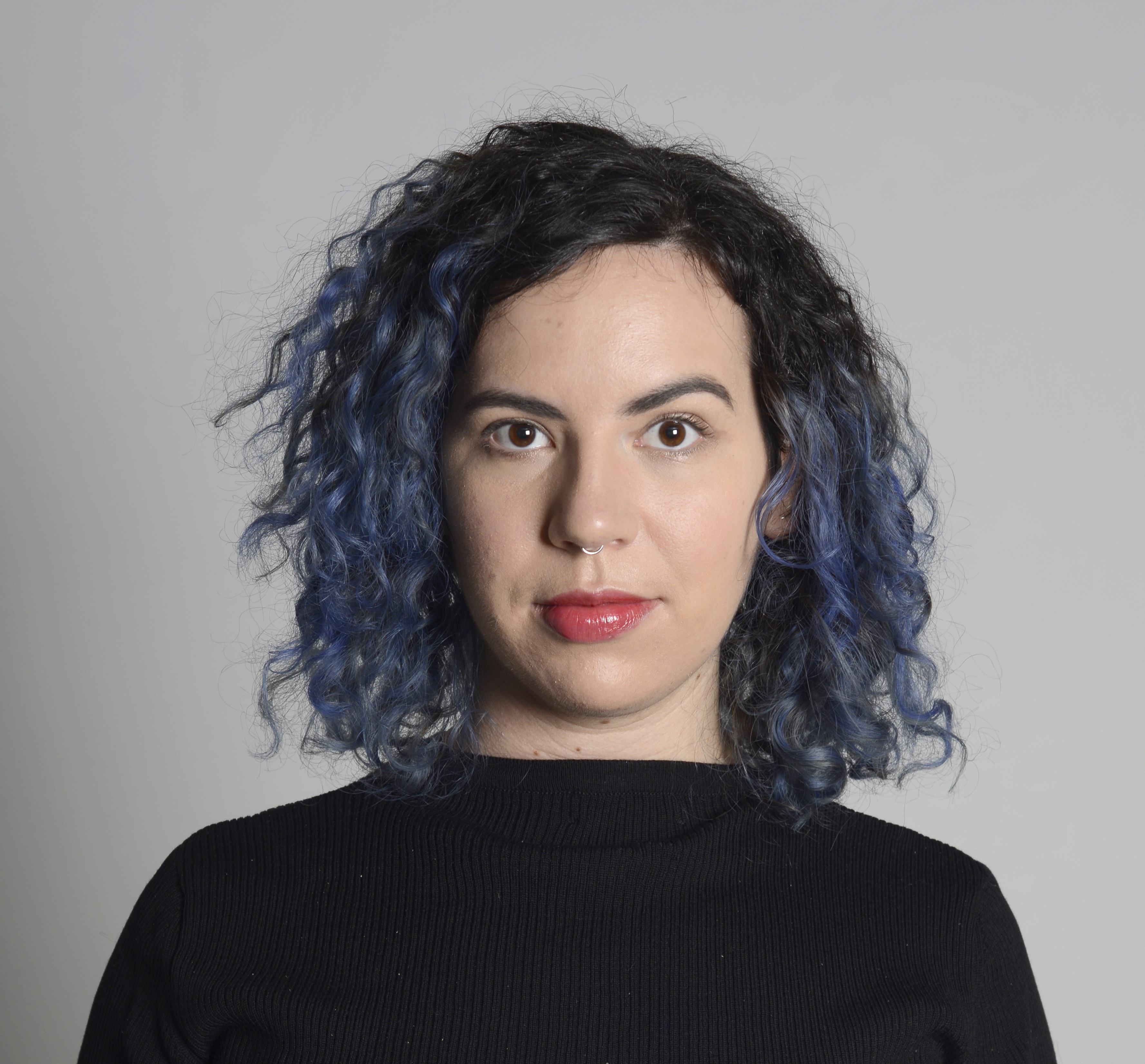
Caroline Sinders
Caroline Sinders (they/them) is an award winning critical designer, researcher, and artist. For the past few years, they have been examining the intersections of artificial intelligence, intersectional justice, systems design, harm, and politics in digital conversational spaces and technology platforms. They have worked with the United Nations, Amnesty International, IBM Watson, the Wikimedia Foundation, and others. Sinders has held fellowships with the Harvard Kennedy School, Google’s PAIR (People and Artificial Intelligence Research group), Ars Electronica’s AI Lab, the Weizenbaum Institute, the Mozilla Foundation, Pioneer Works, Eyebeam, Ars Electronica, the Yerba Buena Center for the Arts, the Sci Art Resonances program with the European Commission, and the International Center of Photography. Their work has been featured in the Tate Exchange in Tate Modern, the Contemporary Art Center of New Orleans, Telematic Media Arts, Victoria and Albert Museum, MoMA PS1, LABoral, Wired, Slate, Hyperallergic, Clot Magazine, Quartz, the Channels Festival, and others. Sinders holds a Masters from New York University’s Interactive Telecommunications Program.
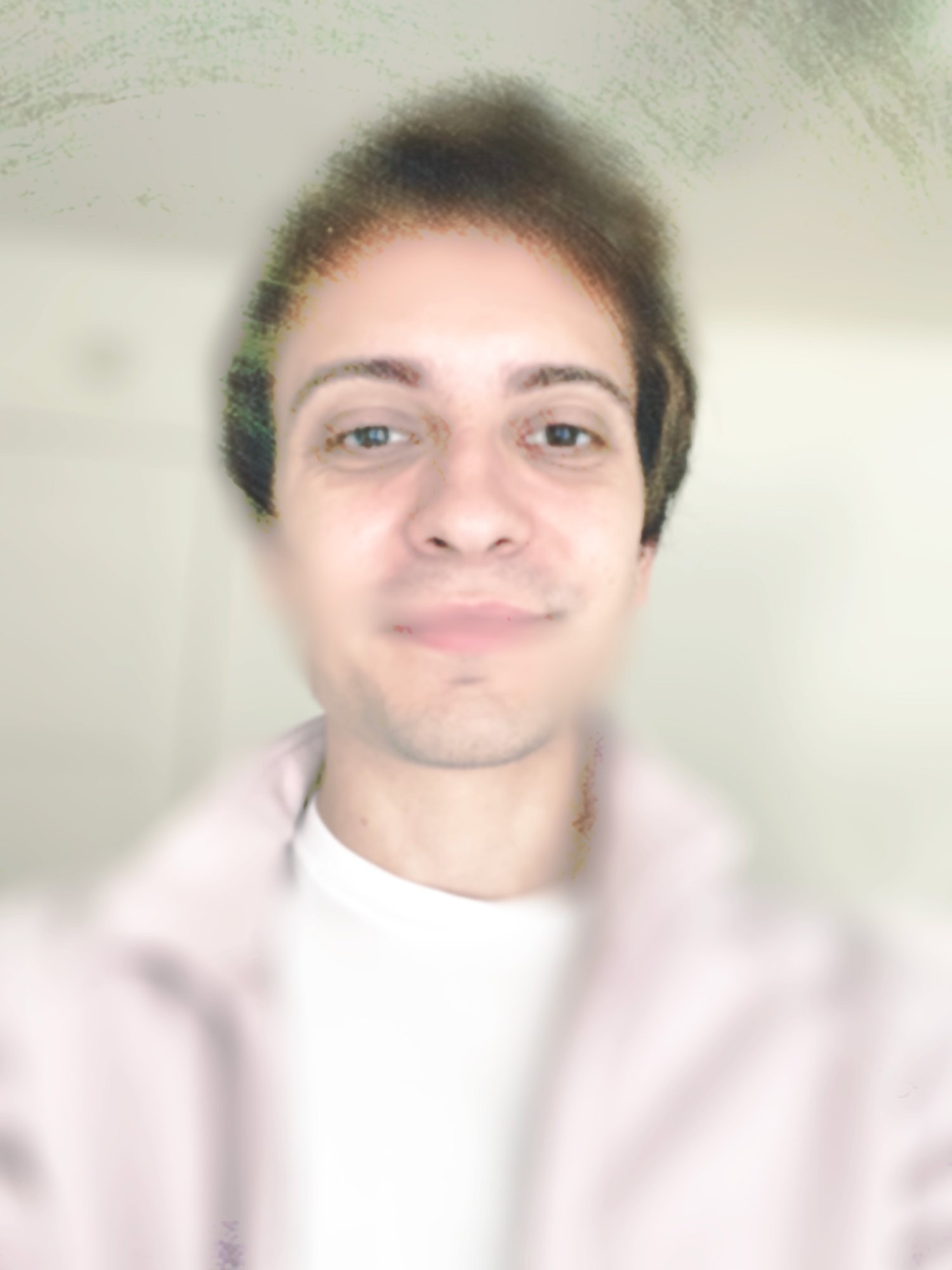
Paul DiFazio
Paul DeFazio is an artist and architect holding a Master of Architecture (M.Arch) from Rice University and a Bachelor of Fine Arts in Painting from Edinboro University of Pennsylvania. He has recently worked for Critical Design Lab and MG&Co. His work focuses on disability and design, with a specialization in blind architectural practice. Paul worked on multiple publications as Editor in Chief at Rice University School of Architecture and has co-edited Yale’s Paprika and contributes to Critical Design Lab’s Critical Access Primer and Labs for Liberation Projects. His interests include models of architecture informed by expanded ideas of disability, access, and bodily difference, as well as the inclusivity of both the built environment and design practice itself.
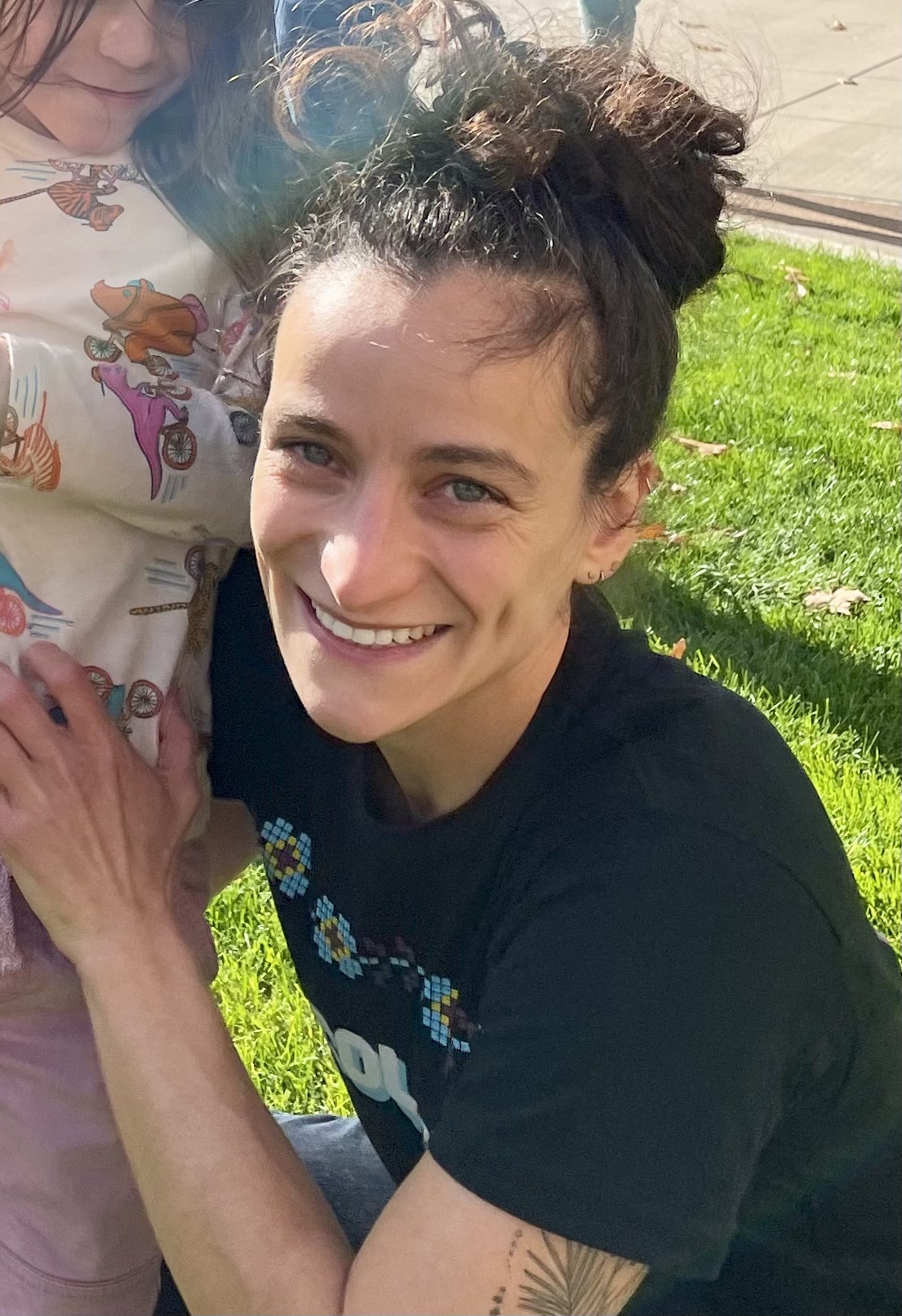
LJ Jaffee
LJ Jaffee (she/her) completed her PhD in Cultural Foundations of Education at Syracuse University in 2020. Her research and teaching focus on disability justice, anti-imperialist feminism, and political movements in U.S. higher education. From 2019-2023, she was a Visiting Assistant Professor in Colgate’s Department of Educational Studies, where she taught courses on topics including abolition, student movements, and anti-oppressive pedagogy. For the 2023-2024 academic year, Jaffee worked as a full-time union organizer supporting student food service workers at Syracuse University. She has organized around issues of racial justice, gendered violence, and labor exploitation in Syracuse for the last decade, and is a member of the Syracuse chapter of Jewish Voice for Peace.
 Labs for Liberation