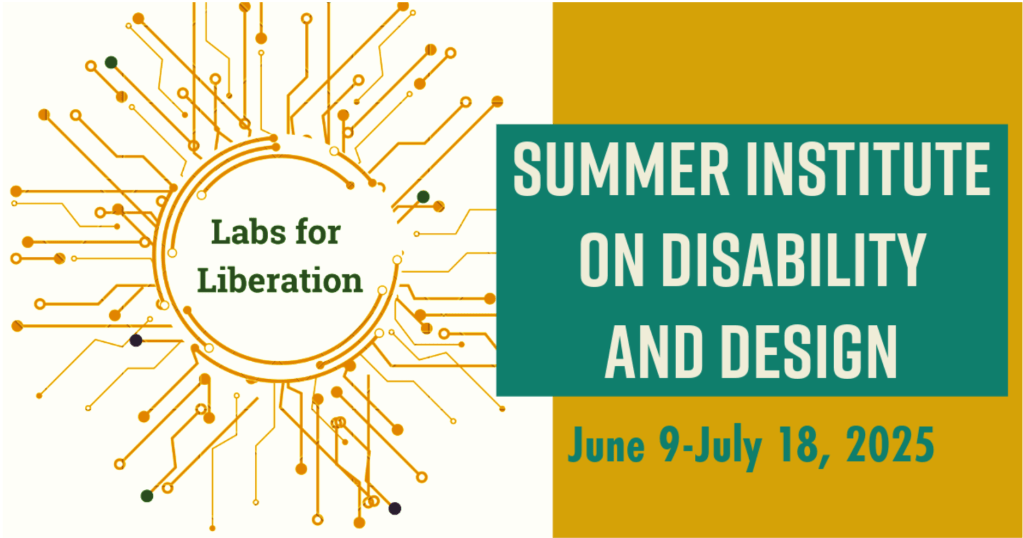
Dates: June 9-July 18, 2025. All sessions are online. ASL and CART available.
Summer Institute directors: Moya Bailey and Aimi Hamraie
Accessibility coordinator: Angela Stanley
Funded by: The Mellon Foundation
Overview
What does it take to design an accessible world? For decades, design education has approached disability through the limited parameters of accessibility codes and standards. Schools of architecture, design, engineering, computing, and others rarely extend beyond minimum requirements to consider interdisciplinary frameworks offered by the disability justice movement, feminist theory, critical disability studies, or Black studies. At the same time, students of humanistic and social science approaches to disability understand that our built and social environments shape how disabled people are treated. But these students rarely have opportunities to actually engage with design as a collaborative praxis for working towards a more accessible world.
The Labs for Liberation Summer Institute on Disability and Design offers a collaborative, generative, theoretically-rigorous, and lab-based space for integrating accessibility theory and practice. Our goal is to create new conversations between critical disability studies and Black feminist disability approaches to design and technology. Participants will have opportunities to engage with experts in these fields in order to bridge many realms of thinking, knowing, and making. Building on the innovative protocols of the Critical Design Lab and the Digital Apothecary Lab, the summer institute will lay the necessary groundwork for new generations of designers and theorists to understand what it means to go “beyond the code” in accessible design.
This Summer Institute is part of a broader project funded by the Mellon Foundation.
Lecture Series
The Labs for Liberation Summer Institute on Disability and Design includes a six-week series of free, online, and accessible programming offering lectures and panel discussions. Open to the public. CART and ASL available.
Our lecturers will include:
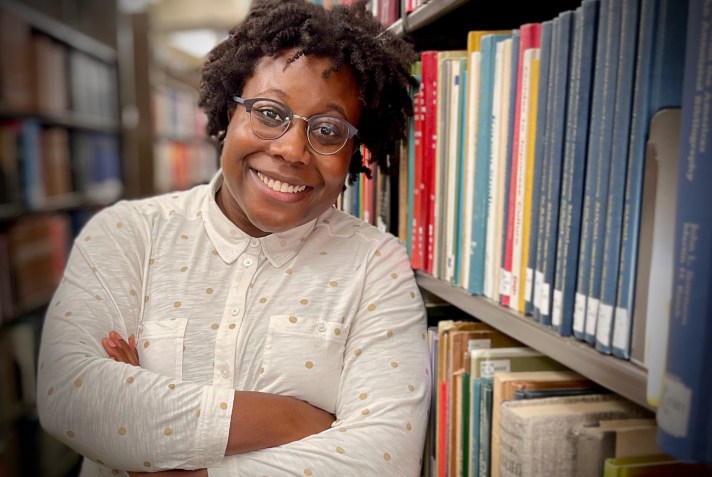
Moya Bailey, author of #Hashtag Activism and Misognynoir Transformed, director of the Digital Apothecary Lab, disability justice organizer
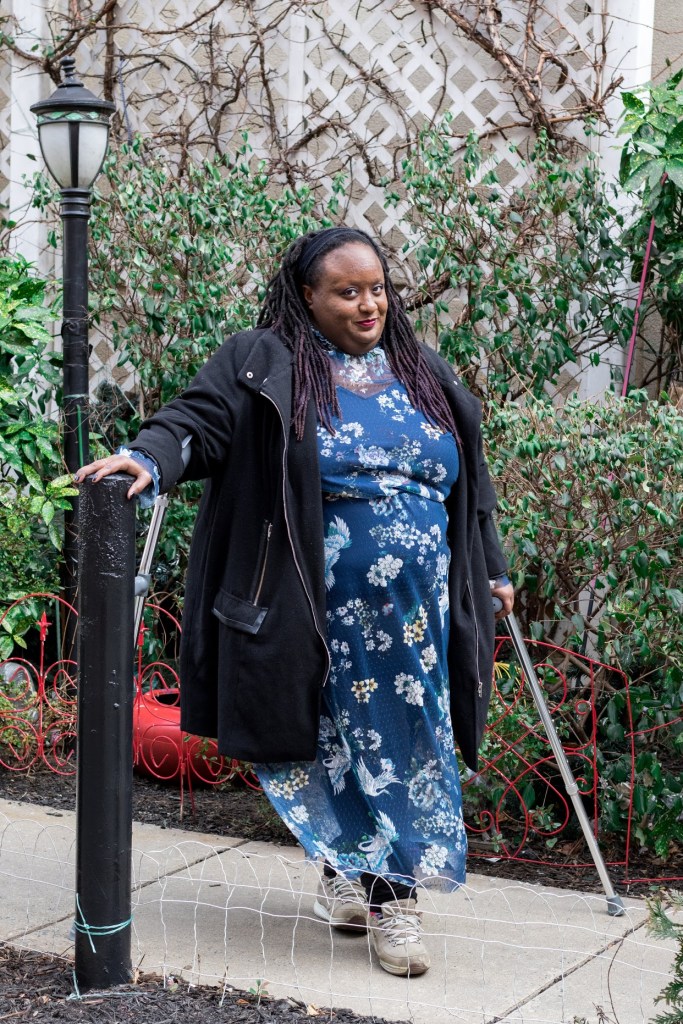
Imani Barbarin, Disability rights and inclusion speaker, blogger, and content creator (@CrutchesAndSpice) #ThingsDisabledPeopleKnow
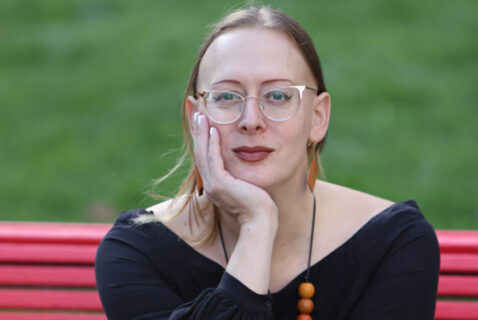
Sasha Costanza-Chock, Ph.D. (she/her or they/them) is a researcher and designer who works to support community-led processes that build shared power, dismantle the matrix of domination, and advance ecological survival. They are a nonbinary trans* femme. Her book Design Justice: Community-Led Practices to Build the Worlds We Need is freely available at design-justice.pubpub.org.
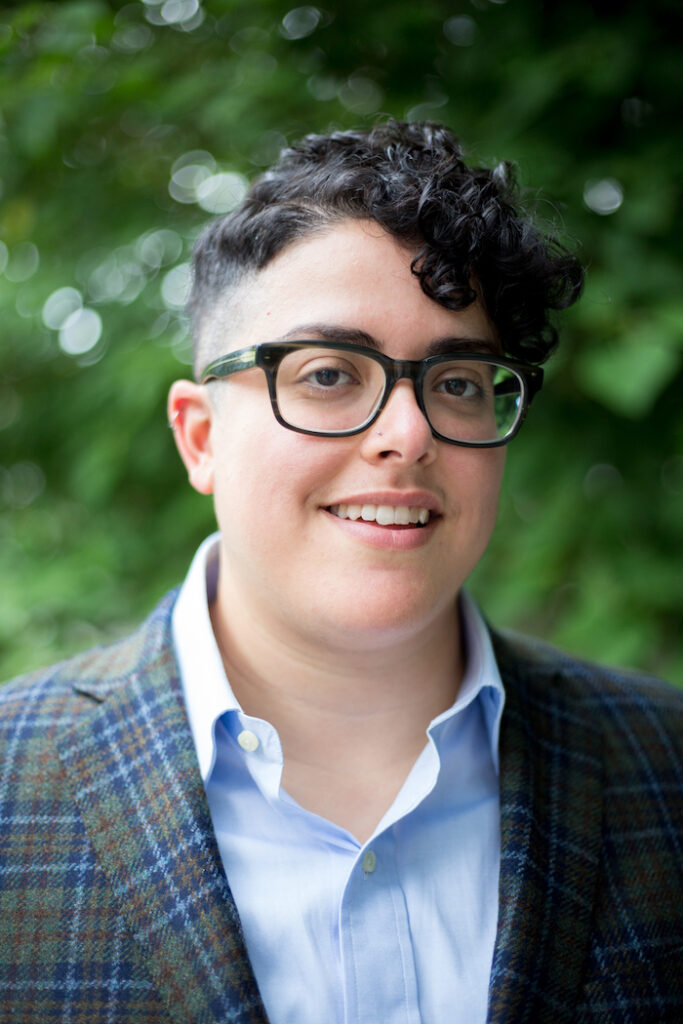
Aimi Hamraie, author of Building Access and the “Crip Technoscience Manifesto,” director of the Critical Design Lab, and southern disability justice organizer.
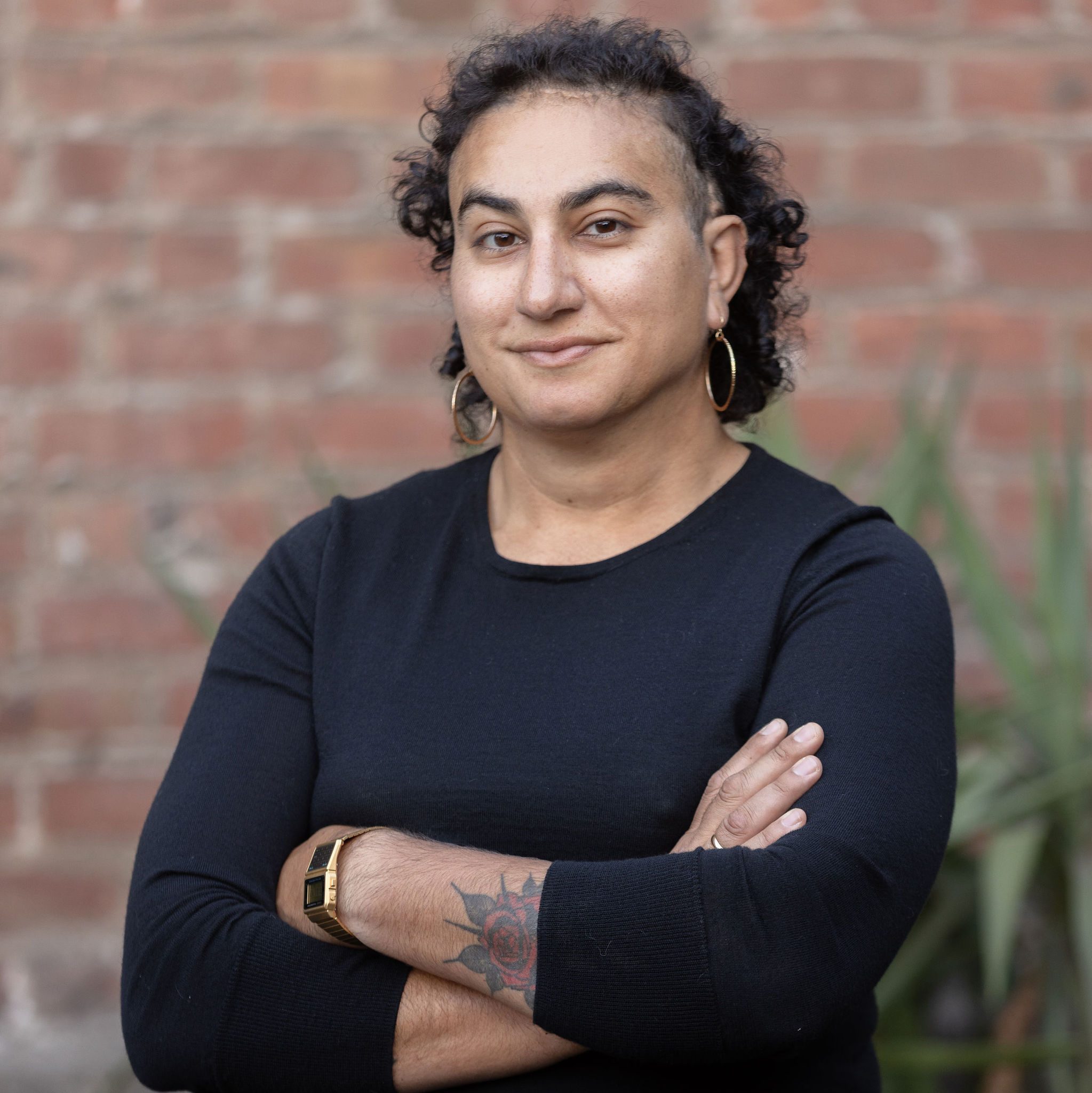
Alex Hanna, sociologist of race, gender, and class inequality in computational technologies, author of The AI Con, Director of Research at the Distributed AI Research Institute (DAIR), and co-host of the Mystery AI Hype Theater 3000 series.

Sara Hendren, author of What Can a Body Do? How We Meet the Built World and Associate Professor of Art + Design and Architecture at Northeastern University.
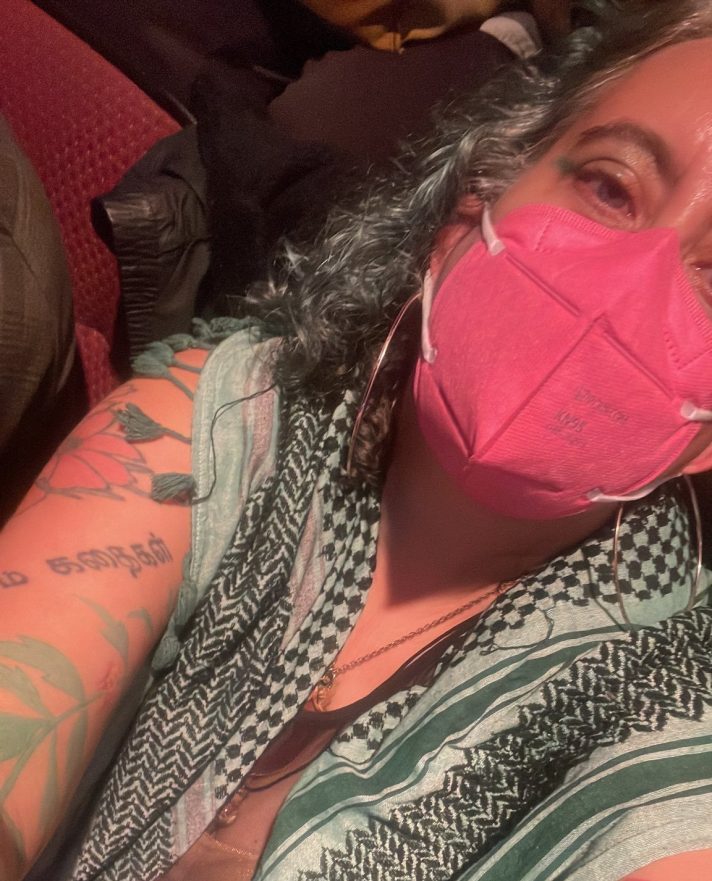
Leah Lakshmi Piepszna-Samarasinha, Burger/Tamil Sri Lankan, Irish and Galician writer, disability and transformative justice movement worker/structural engineer and older cousin/ untie, the author or co-editor of ten books including Care Work, The Future is Disabled, Tonguebreaker, and Dirty River.
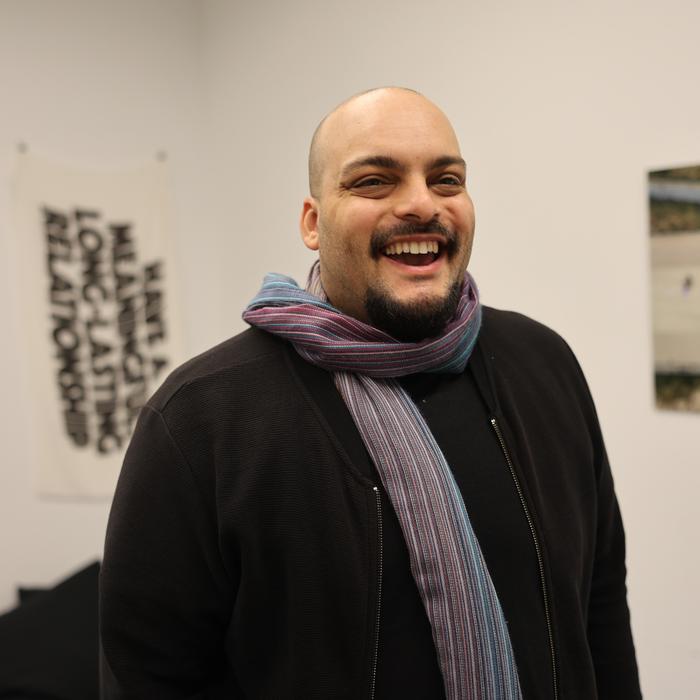
Jeff Kasper, editor of More Art in the Public Eye, creator of wrestling embrace and other disability arts projects, and Assistant Professor at University of Massachusetts-Amherst.
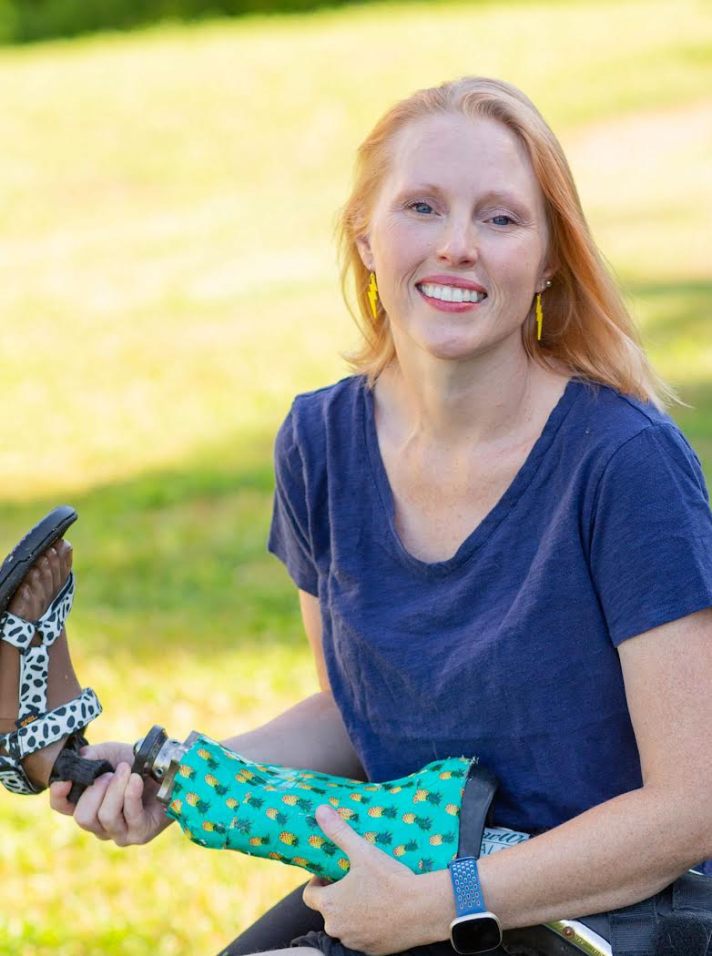
Ashley Shew, a philosopher of technology and author of Against Technoableism.
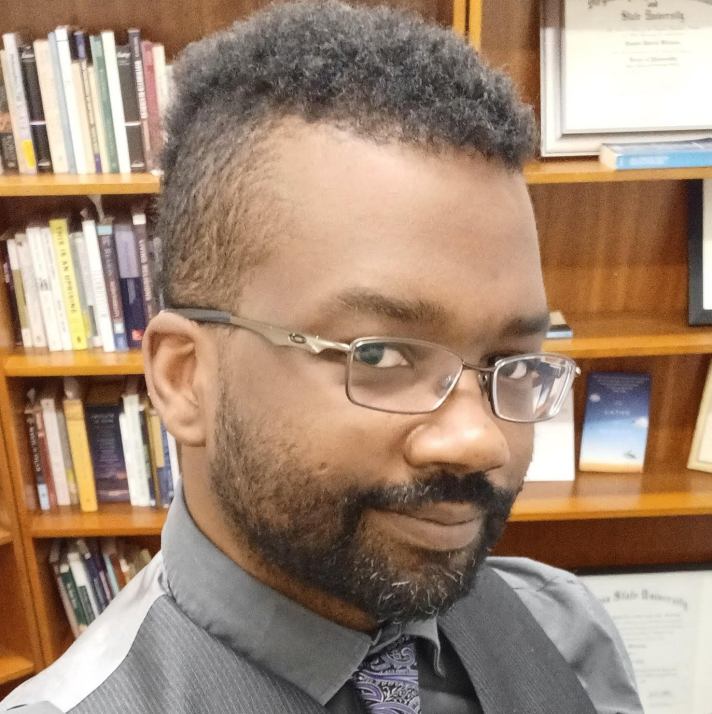
Damien Patrick Williams, Assistant Professor of Philosophy and Data Science at the University of North Carolina at Charlotte and author of the chapter “Disabling AI: Biases and Values of Artificial Intelligence.” in The Handbook on Ethics of Artificial Intelligence.
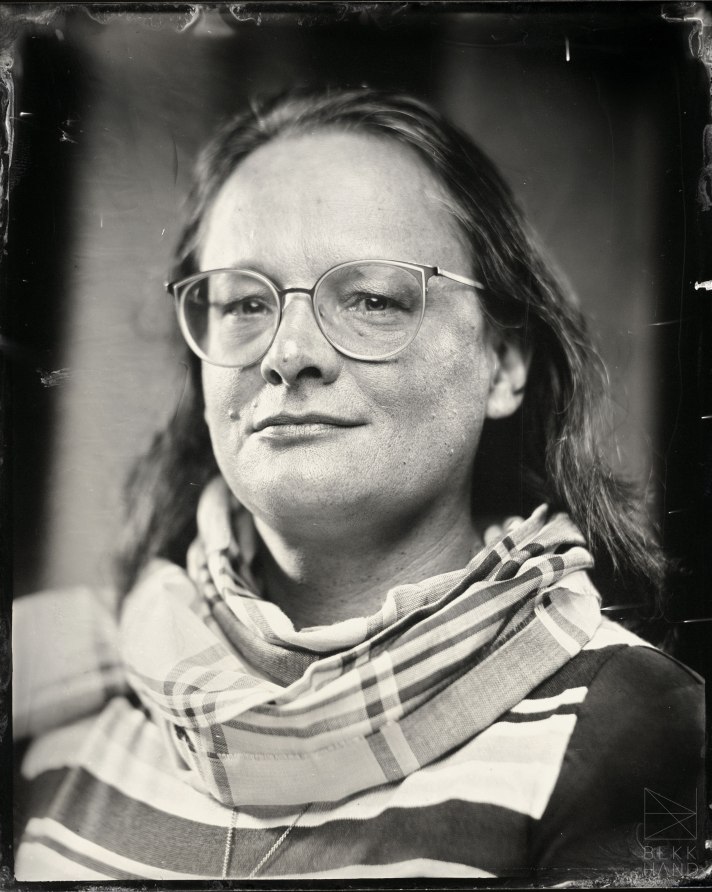
Bess Williamson, design historian, author of Accessible America, Associate Professor of Design Studies at NC State University.
Design Labs
*Applications are now closed*
The Labs for Liberation Summer Institute on Disability and Design includes a six-week funded, immersive, online design lab experience grounded in disability justice principles and practices for select participants who are training* in:
- Design and other creative fields (including architecture, urban design and planning, graphic design, industrial design, human-computer-interaction, visual arts, social practice, performance, coding, and others) AND/OR
- Critical humanities and social science fields with an interest in disability studies (including critical disability studies, Black studies, science and technology studies, gender and sexuality studies, critical ethnic studies, American studies, media studies, Sociology, Anthropology, Educational Studies, and others) AND/OR
- Activism, organizing, facilitation, and arts-based approaches (either focusing on disability justice and culture or wanting to learn more)
*The design lab opportunity is for those who are still developing their skills and knowledge, whether through formal education or other learning pathways. This includes undergraduate, graduate, and professional students, as well as individuals without academic affiliations who are actively pursuing a course of study (i.e. facilitator training, movement strategy and organizing, or other areas of practice.) We welcome applicants at various stages of learning and development, including those transitioning into a new field. This program is not for those who are already established experts in their fields.
Our lab instructors include:

Jumanah Abbas, architect and curator whose critical mapping and writing projects include “Mapping Memories of Resistance: The Untold Story of the Occupation of the Golan Heights,” “I Had Come from the Sea” (in collaboration with the Palestinian Museum), and publications in Arab Urbanism, Failed Architecture, New Generations, and others.
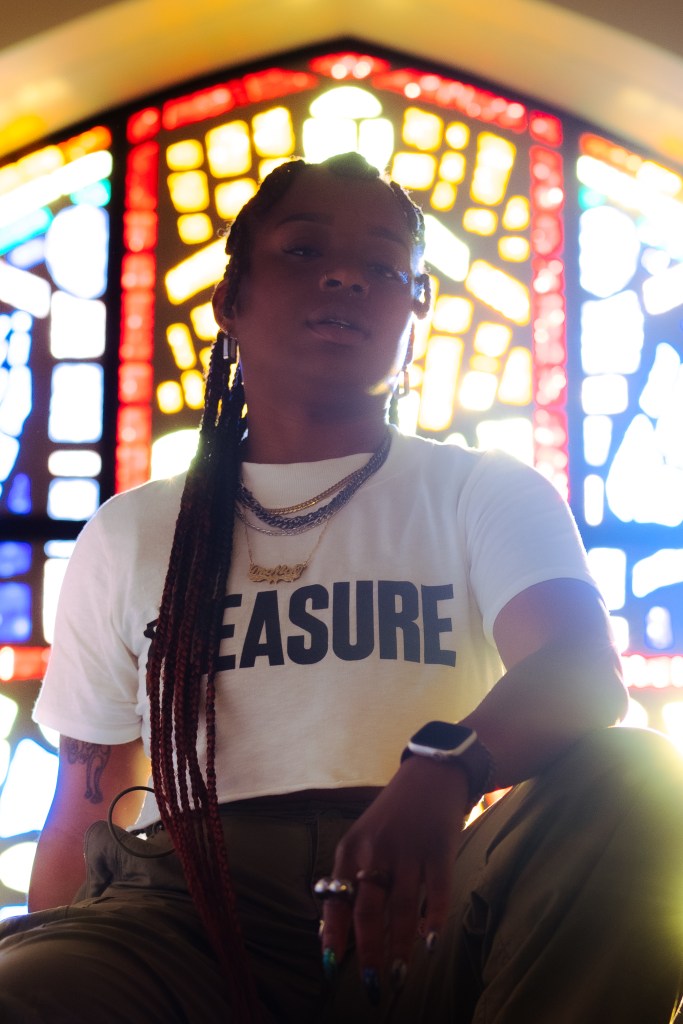
Nick Alder, creative co-conspirator, healing + liberation spacemaker + community designer, pre-licensed psychologist, founder of the radical healing lab, and community organizer and cultural worker with the award-winning collective and cultural hub Party Noire.
Moya Bailey, Professor and founder of the Digital Apothecary Lab at Northwestern University, co-founder of the Black Feminist Health Science Studies Collective, digital alchemist for the Octavia E. Butler Legacy Network, Board president of Allied Media Projects, and author of #HashtagActivism (2020) and Misogynoir Transformed (2021).
Paul DeFazio, artist and architect. Former Editor-in-Chief at Rice University School of Architecture’s PLAT Journal. Currently based in the Critical Design Lab and Institute for Human Centered Design.
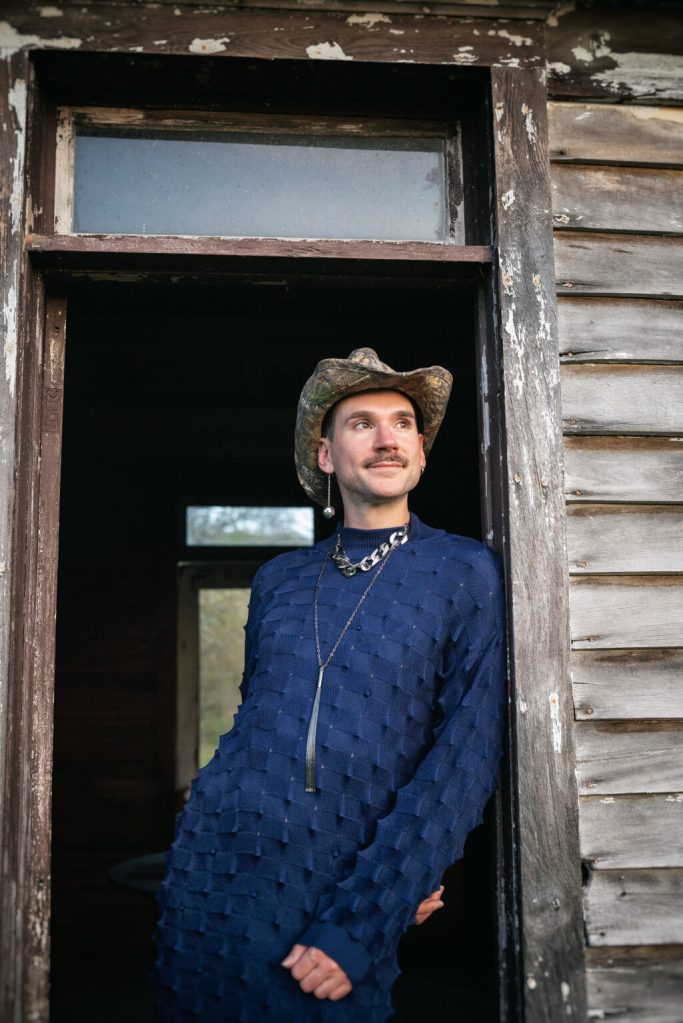
Kevin Gotkin, access ecologist, artist- organizer at Creatives Rebuild New York, editor at CripNews, Remote Access crip nightlife project organizer, United States Artist fellow, and former artist-in-residence in the Critical Design Lab.
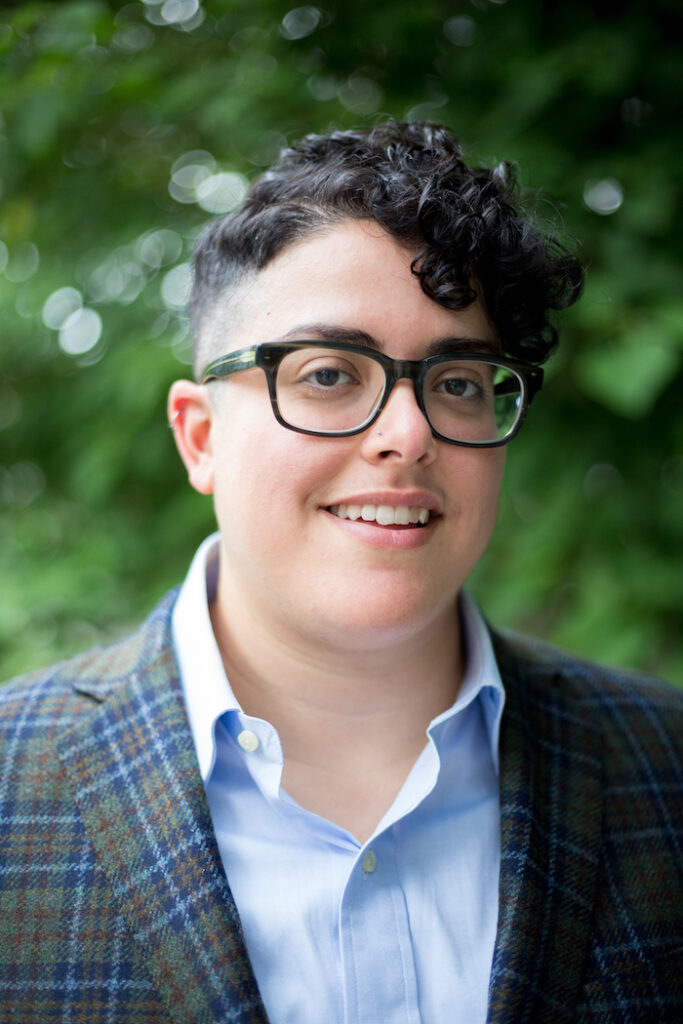
Aimi Hamraie, disabled designer and researcher, Associate Professor at Vanderbilt University, director of the Critical Design Lab, author of Building Access (2017), United States Artist fellow, host of the Contra* podcast, and member of the U.S. Access Board.
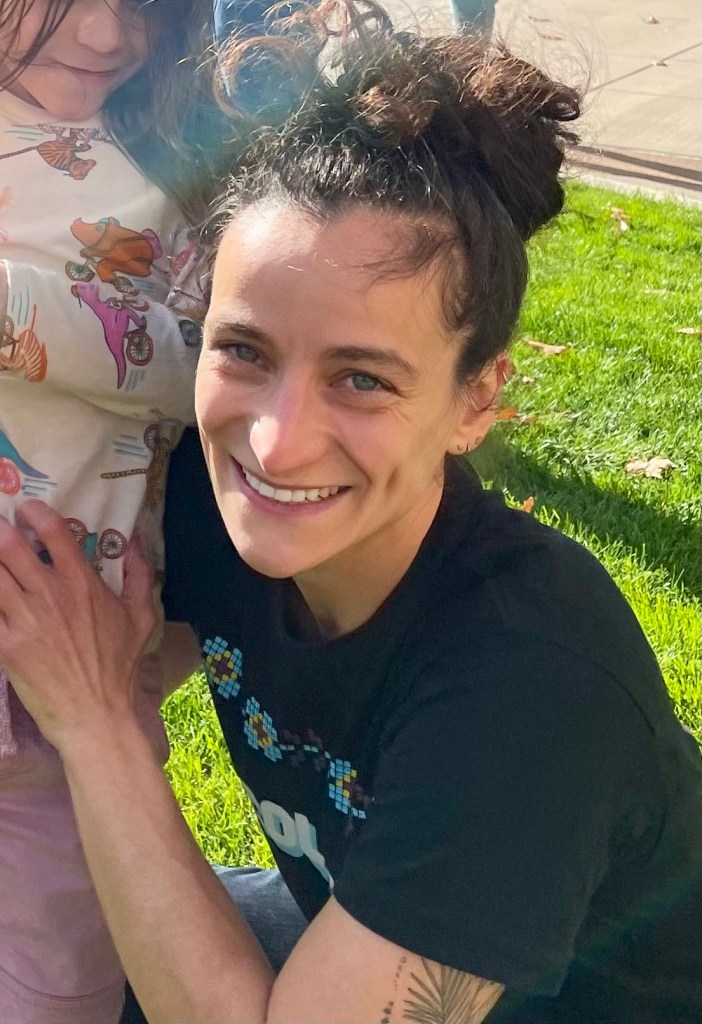
LJ Jaffee, scholar and organizer focusing on disability justice, access-washing, anti-imperialist feminism, and political movements in U.S. higher education; author of forthcoming book, Access-Washing: U.S. Empire, Universities, and the Campus Movements Refusing a Disabling War Economy.
Jeff Kasper, artist, writer, and educator working in public art, design, cultural accessibility, and social engagement; editor of More Art in the Public Eye (2020); Assistant Professor at University of Massachusetts-Amherst; co-founder of Civic Art Lab; creator of wrestling embrace and other disability-centered social practice projects.
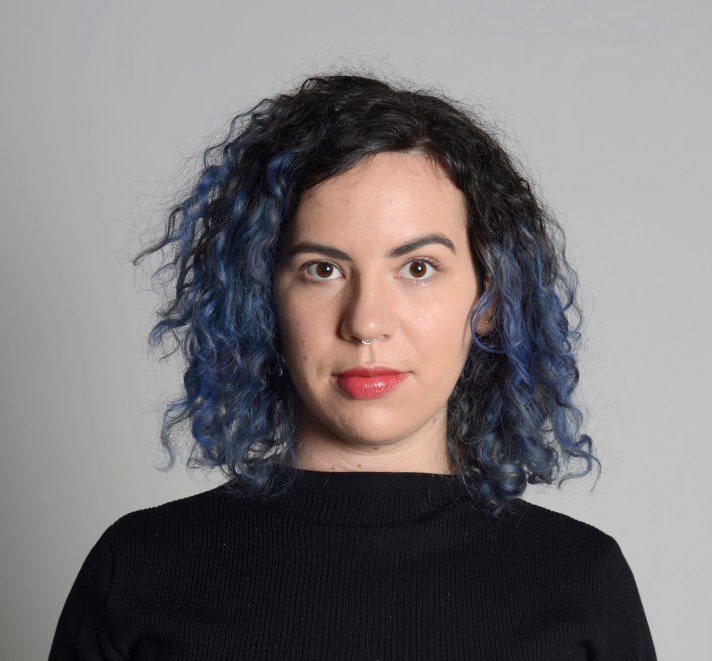
Caro Sinders, critical designer, machine-learning researcher, and artist with focus on critical data security and artificial intelligence; founder of Convocation Design + Research; with work featured at the Tate Modern, MoMA PS1, Wired, Slate, Hyperallergic, and others.
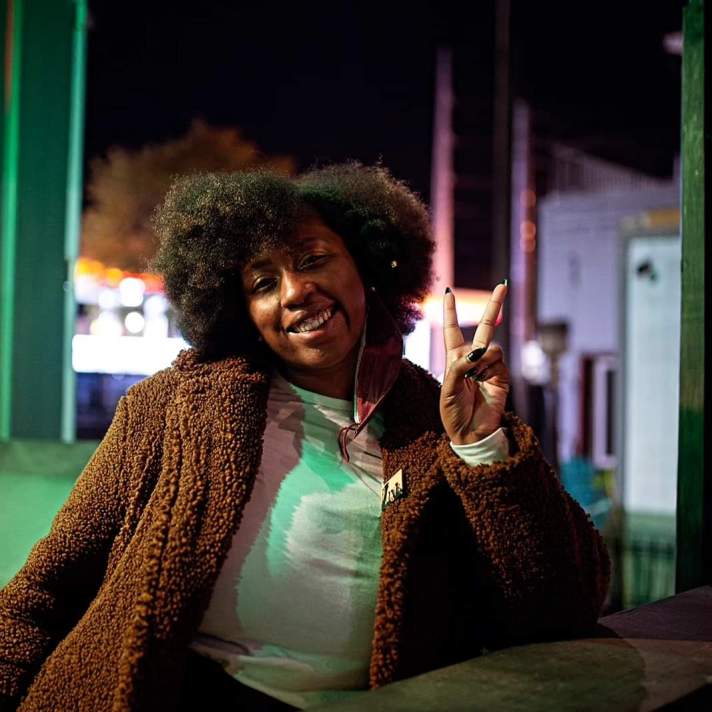
Chelle Sands, Black queer feminist navigating the software and networking industry from a technoanimist lens, abolitionist cultural worker, network designer and herbalist.

Finnegan Shannon, artist whose recent work explores disability culture, belonging, and exclusion, including the Anti-Stairs Club Lounge, Alt-Text as Poetry, Do You Want Us Here or Not, and Don’t Mind If I Do.

Jen White-Johnson, Afro-Latina, disabled artist, designer, educator, and activist, whose visual work explores the intersection of content and caregiving with an emphasis on redesigning ableist visual culture; creator of the Black Disabled Lives Matter Logo and the Anti-Ableist Art Educators Manifesto; zine and collage-maker and cultural producer.
Frequently Asked Questions
Who can participate?
Applications for the Lab series are open to anyone who is training in creative and design fields, critical humanities and social science fields with an interest in disability, or organizing and activism.
- Design and other creative fields include architecture, urban design and planning, graphic design, industrial design, human-computer-interaction, visual arts, social practice, performance, coding, and others
- Critical humanities and social science fields include critical disability studies, Black studies, science and technology studies, gender and sexuality studies, critical ethnic studies, American studies, media studies, Sociology, Anthropology, Educational Studies, and others
- Activism, organizing, facilitation, and arts-based approaches to social change, with either an emphasis on disability justice and culture or wanting to learn more
This opportunity is directed at those “in training,” meaning students (undergraduate, graduate, or professional) or those without academic affiliations who are seeking a course of study (for example, in facilitator training, movement strategy and organizing, and other areas).
What is the time commitment for design lab participants?
Participants should expect to spend approximately 6-7 hours per week on the summer institute, including 1.5-2 hours for the lecture (Mondays), 3 hours for the lab meetings (day decided by each lab), and 1-2 hours of homework time.
How much does the institute cost?
The institute is free and comes with a stipend for your participation (if you are joining a lab).
What is required in order to get the stipend and certificate?
In order to get the certificate and stipend, you must confirm attendance at the lectures (synchronously or asynchronously), attend the lab meetings, and complete the assignments of your weekly lab meeting. We recognize that due to time zones, access needs, and other considerations, it may not be possible to attend every meeting in a synchronous manner. Each lab will work out the format for participation that works best for the members and particular projects.
What language will the summer school be in?
Our content will be in spoken English, with ASL interpretation and CART available.
What forms of accessibility will the Summer Institute offer?
The lecture series will have ASL interpretation and CART available. Lecturers will describe all images. The lectures will also be recorded so you can watch later if you’re not able to join at the time of the lecture. Lecture recordings will be captioned.
ASL and CART will be available for lab sessions upon request. Each lab will create an accessibility protocol for collaboration, design, information sharing, and communication.
When are applications due?
Applications are due by March 7, 2025. Click here to apply.
When will I know if I am accepted?
We will let you know by April 4, 2025.
Who can I contact if I have more questions?
Please contact Aimi Hamraie at aimi.hamraie@vanderbilt.edu if you have any questions.

 Labs for Liberation